

Make an
impact today
Support the preservation of Indigenous culture by contributing to the mission.
Anku Tsawar | The Penco Project: An Overview
-
CALL TO ACTION: THE NEED FOR A CRITICAL, HOLISTIC INTERVENTION
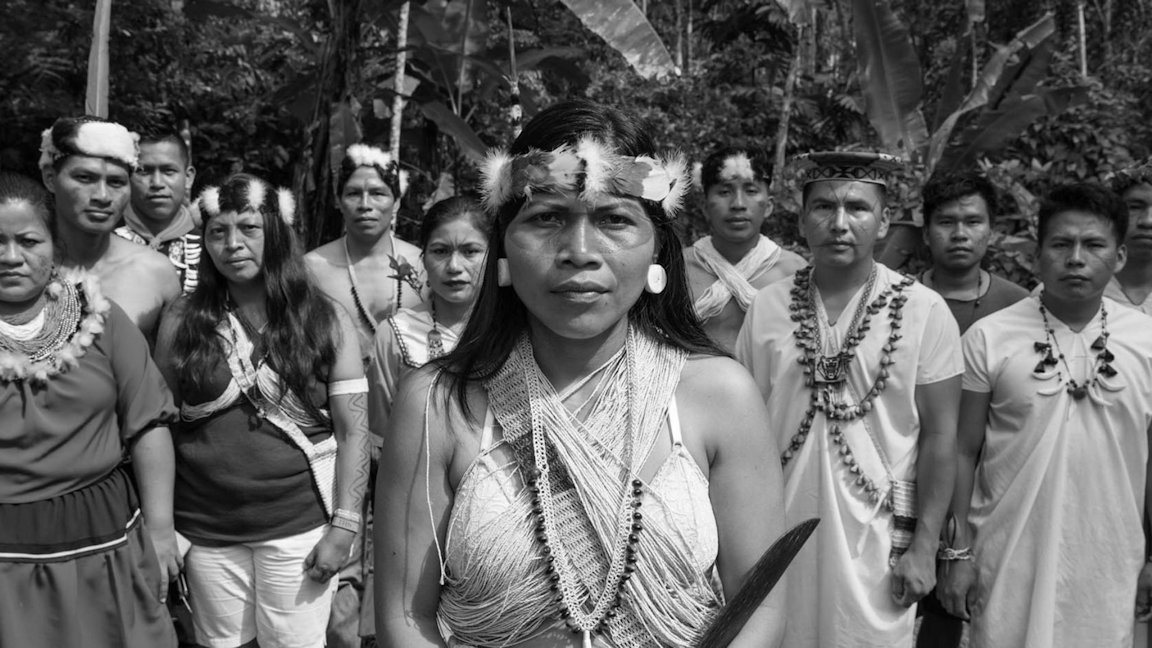
For centuries, the Indigenous peoples of Ecuador have passed down rich traditions, knowledge, and a deep connection to the land. But today, these ancestral ways are fading, pushed into the past and at risk of being forgotten.
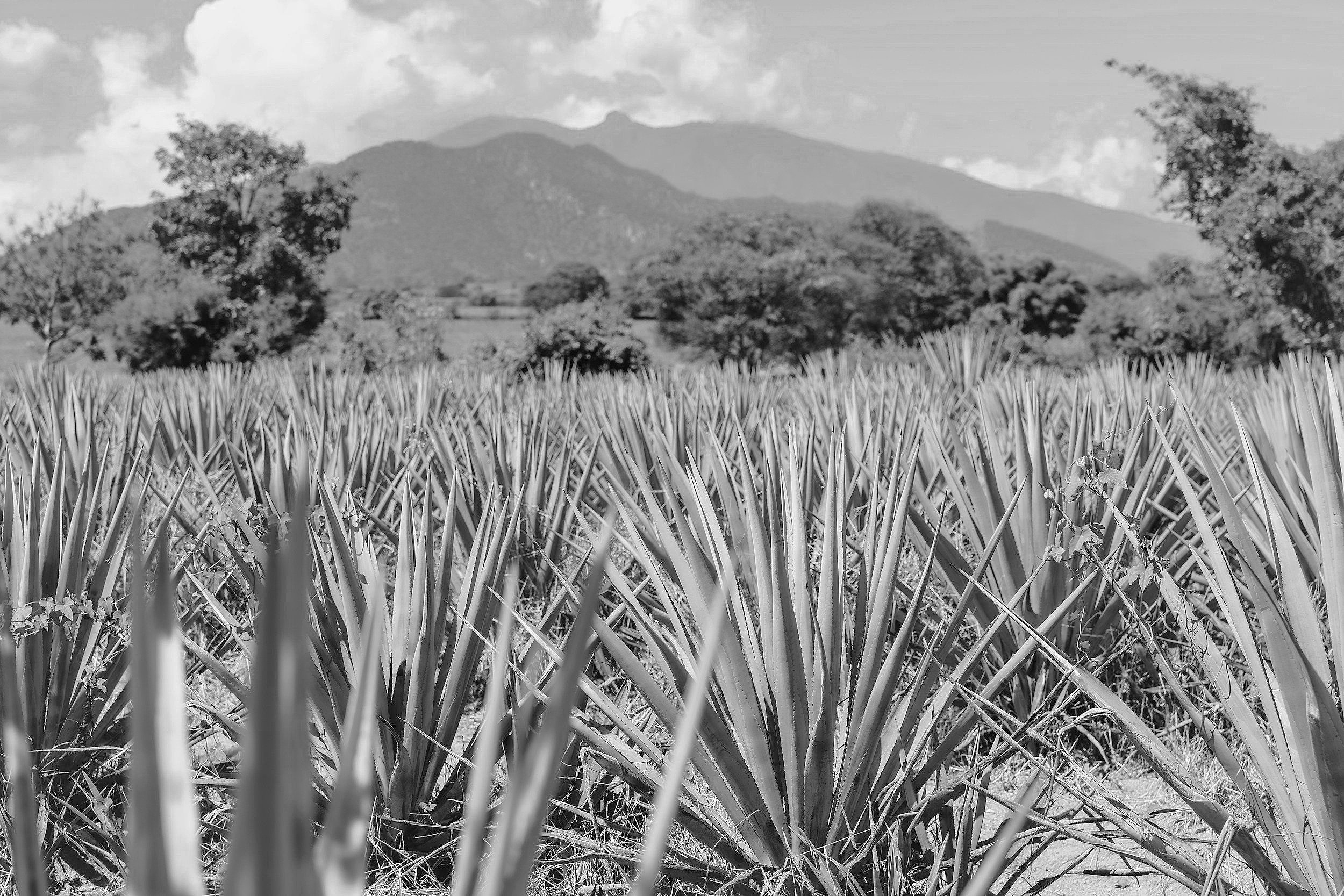
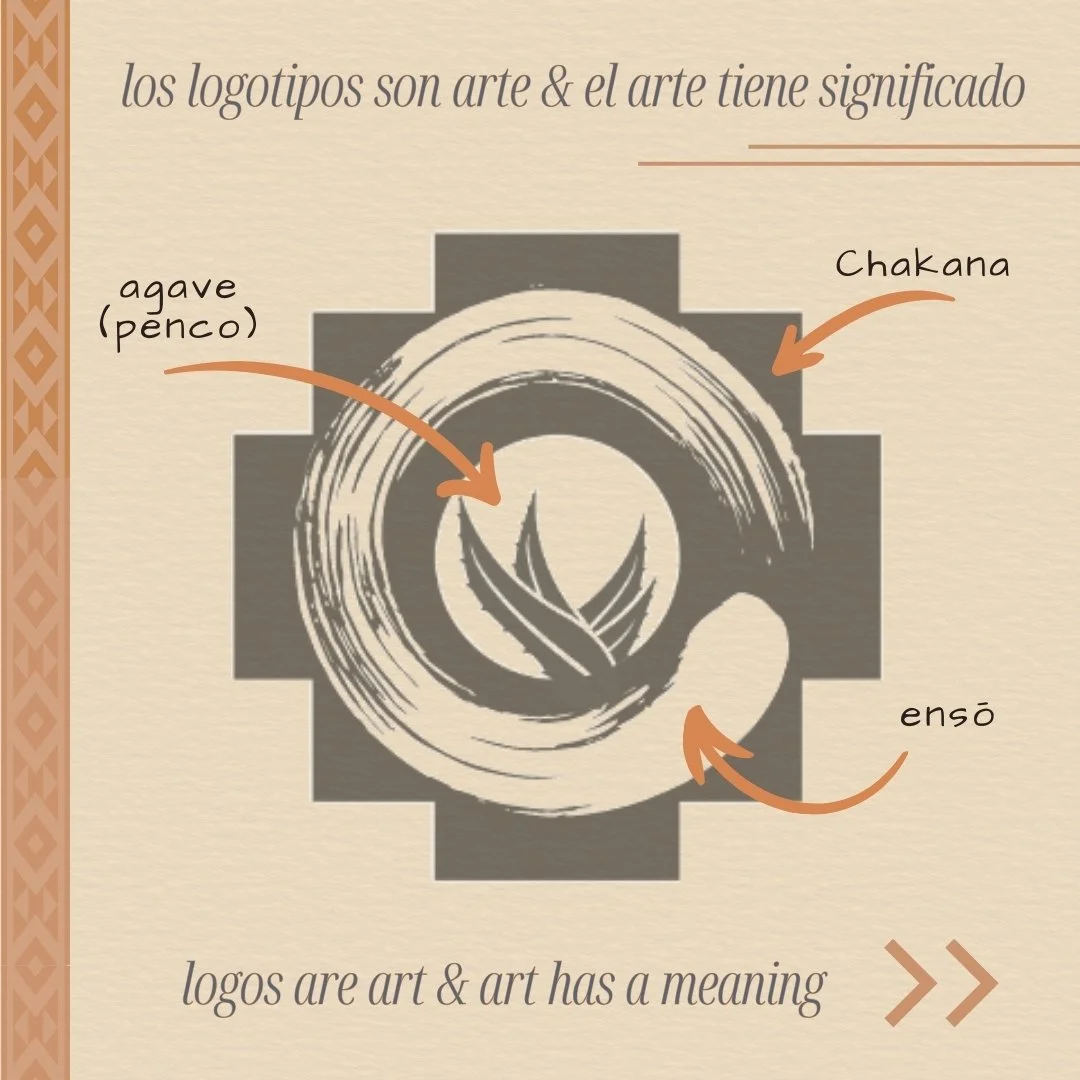
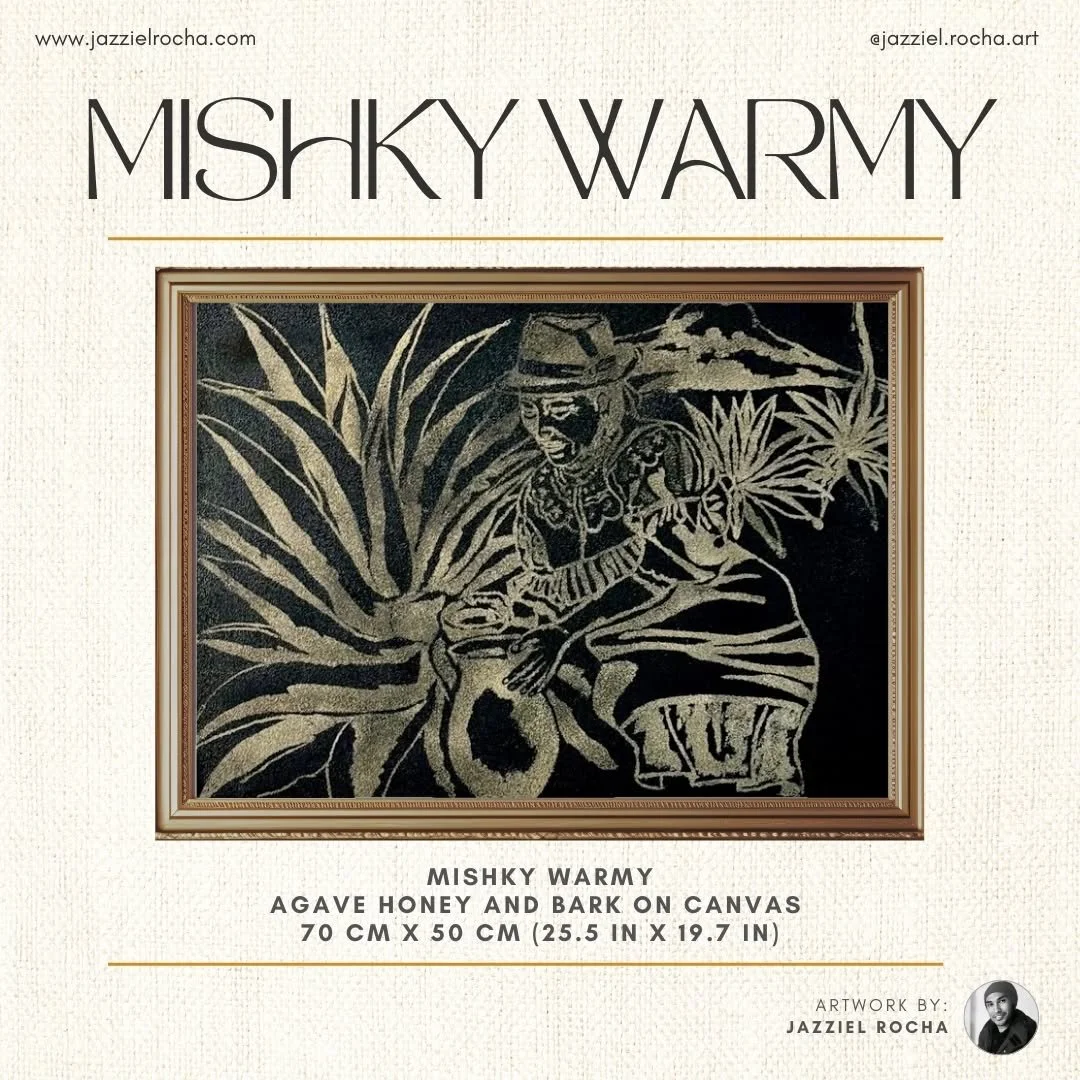
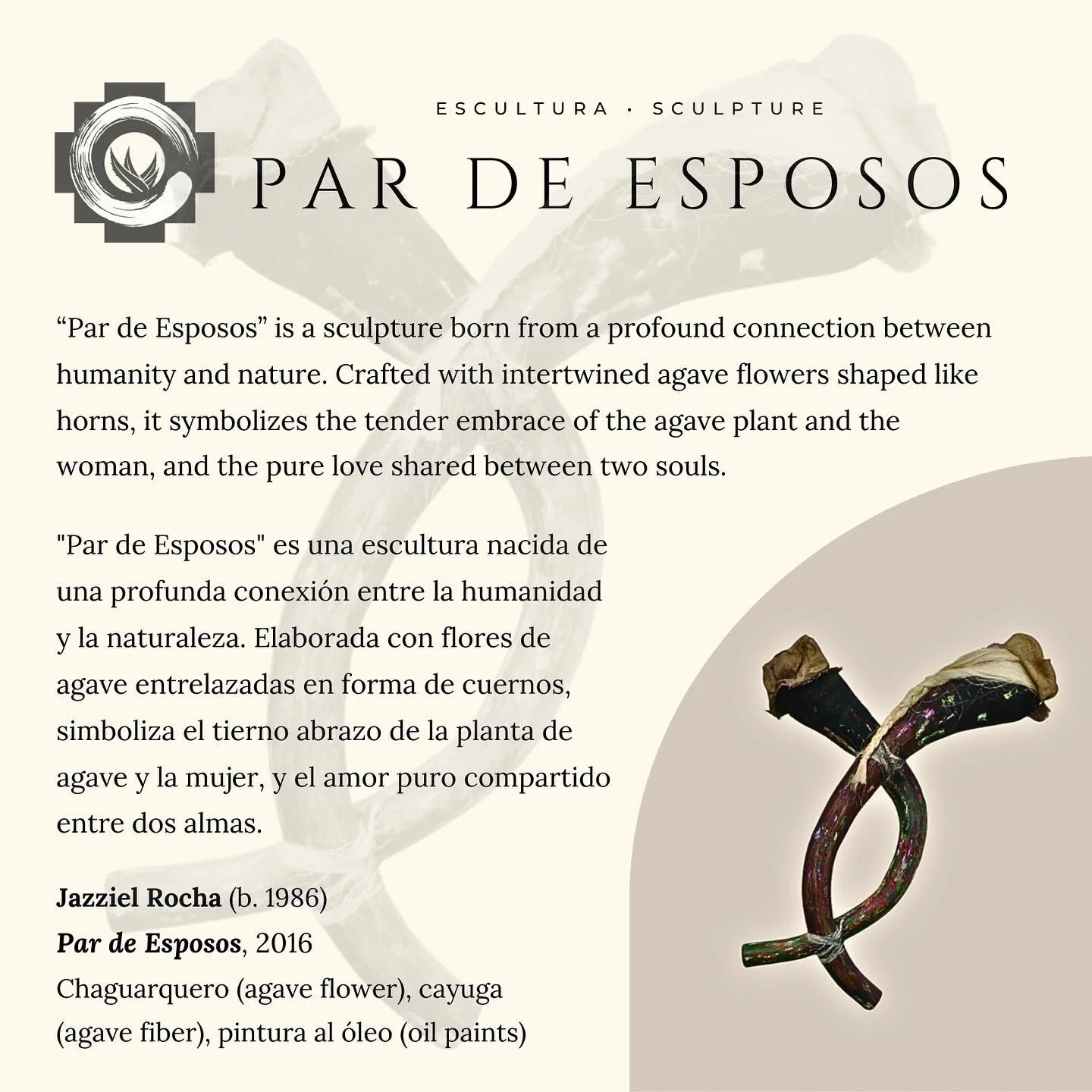
At the heart of this heritage is the penco (Andean agave plant) a sacred plant that has sustained Indigenous communities for generations. Penco has been used for food, clothing, construction, medicine, music, and spiritual ceremonies, playing a vital role in daily life.
The Anku Tsawar Project ("Heart of the Penco") — also known as The Penco Project — is committed to revitalizing this legacy. It is my hope, that by developing the creation of The Penco Museum, it will be possible to reconnect Indigenous communities with their traditions, providing opportunities for cultural restoration, economic empowerment, and social development. Preserving and teaching Indigenous heritage by way of connecting ancestral ways of life to modern uses, we preserve identity, dignity, and a path forward for this critical knowledge and legacy to persist.
Your support can make a difference. Every donation helps Indigenous youth to elders reclaim their heritage, ensuring these traditions thrive for future generations.
-
HISTORY AND MODERN CHALLENGES FACED BY THE INDIGENOUS PEOPLES IN ECUADOR
The Indigenous peoples of Ecuador have a history spanning over 11,000 years, with civilizations such as the Quitus, Cañari, and Inca flourishing before Spanish colonization in the 16th century. The Spanish conquest led to forced labor, land dispossession, and the suppression of Indigenous languages and cultures. Despite resistance, Indigenous communities remained resilient, preserving many of their traditions.
Following Ecuador’s independence in 1822, Indigenous peoples continued to face marginalization, with land and political rights heavily restricted. The 20th century saw significant movements for Indigenous rights, including land reforms and the formation of organizations like the Confederation of Indigenous Nationalities of Ecuador (CONAIE) in 1986, which played a crucial role in advocating for political representation and environmental protection.
Today, Indigenous peoples make up about 7% of Ecuador’s population, with another 70% being Mestizos of mixed Indigenous and European ancestry. While they have gained constitutional recognition and some autonomy, they continue to face challenges such as:
Land and Resource Exploitation: Mining, oil extraction, and deforestation threaten Indigenous territories and ways of life.
Political and Social Marginalization: Despite activism, Indigenous groups struggle for full representation and enforcement of their rights.
Economic Inequality: Many Indigenous communities experience higher poverty rates, limited access to education, and healthcare disparities.
Cultural Erosion: The dominance of Spanish and globalization endangers Indigenous languages and traditions.
Despite these challenges, Indigenous movements remain strong, advocating for environmental justice, cultural preservation, and self-determination in Ecuador’s evolving society.
-
THE COSTS OF BUILDING A LIFELONG DREAM
Estimating the cost of building a medium-sized museum dedicated to preserving and sharing Indigenous Ecuadorian heritage, art, music, and immersive cultural experiences in Mitad del Mundo, Ecuador involves several factors, including construction expenses and staffing.
Construction Costs:
Building Size: A medium-sized museum might be approximately 800 to 1,000 square meters.
Cost per Square Meter: Construction costs in Ecuador can vary, but a rough estimate is around $500 to $700 per square meter, depending on materials and design complexity.
Total Construction Cost: Multiplying the size by the cost per square meter, the construction would range from $400,000 to $700,000.
Staffing Costs:
Average Salary: The average monthly income for rural workers in Ecuador is approximately $290.
Annual Salary per Employee: This equates to about $3,480 per year.
Total Staffing Cost: Employing four Indigenous people full-time would cost around $13,920 annually.
Why give?
-
⚠
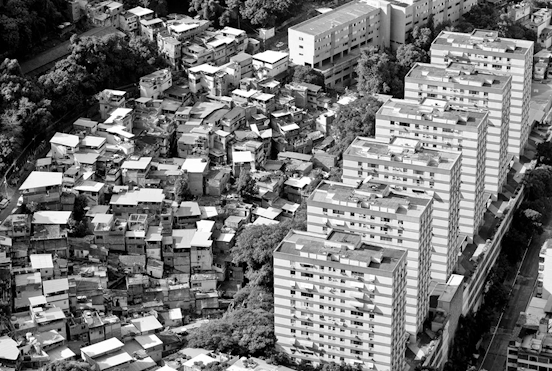
The widest gap of income inequality in the world is in Latin America.
Although 19.5% of Ecuadorians believe the economic inequality between the races is due to insufficient work effort from minorities, 47.0% believe it arises from discrimination.
According to recent data, Ecuador's income inequality, measured by the Gini coefficient, stands at around 44.6, indicating a significant income gap within the country, placing it among the most unequal nations in Latin America; a Gini coefficient of 0 represents perfect equality, while 1 represents extreme inequality.
-
⚠
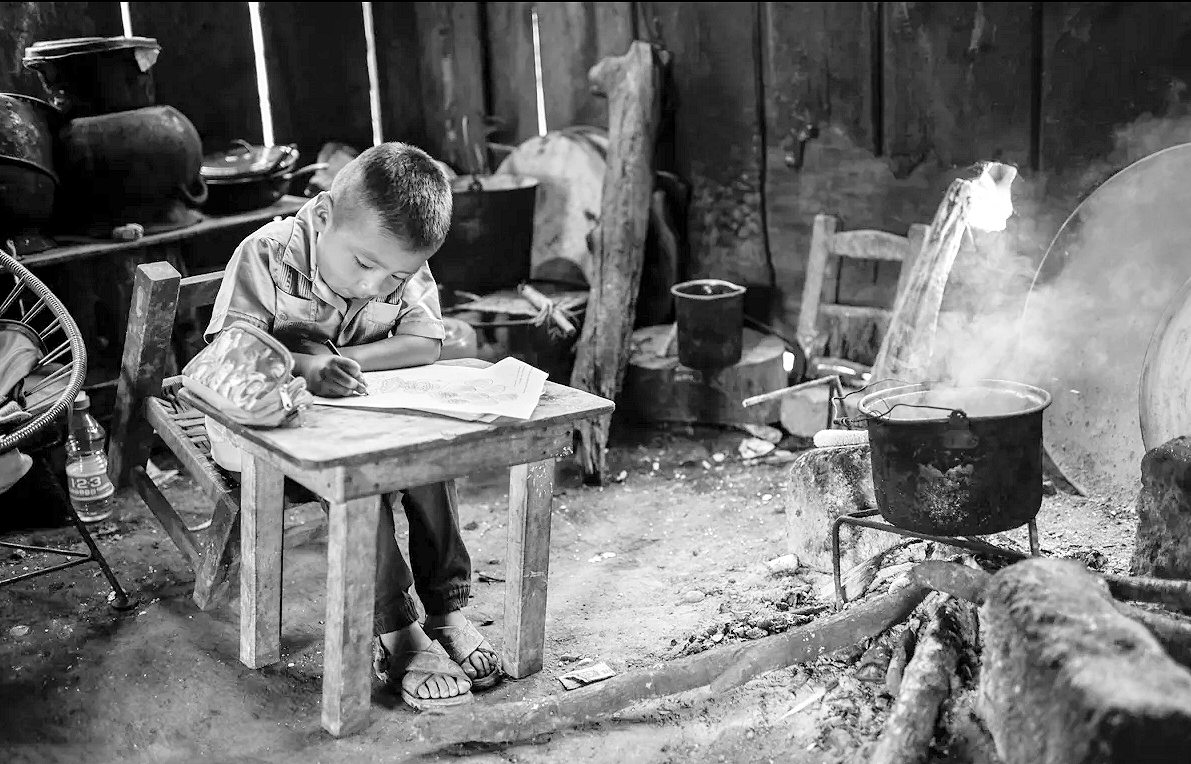
Lack of education is a key driver of economic inequality, making it harder for Indigenous people to escape poverty.
The indigenous population only has an average 4.5 years of formal education, while non-indigenous population’s average of years is 8.
The Indigenous population has a net secondary school enrollment rate of 14.0% and because of rural residence and work they have a much lower probability of staying in school.
-
⚠
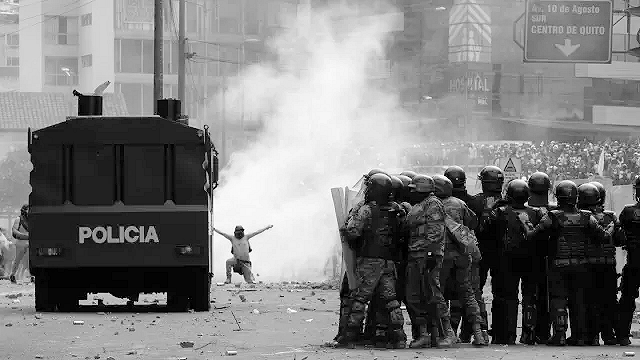
Political and institutional discrimination and policies (or lack thereof in some cases)
Historically, Indigenous people were excluded from voting until the mid-20th century.
Many Indigenous protests against protests against land exploitation and environmental destruction are met with government crackdowns.
Public institutions and schools often prioritize Spanish over Indigenous languages, contributing to cultural loss.
-
⚠
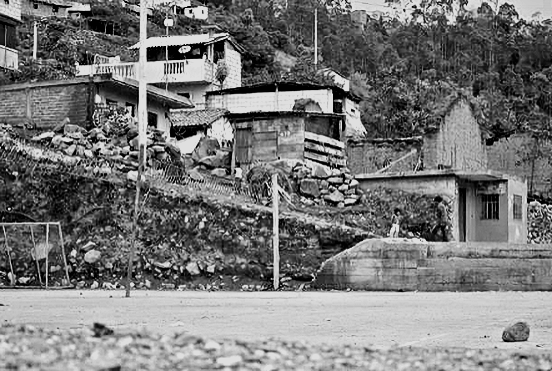
Economic inequality among the Indigenous peoples of Ecuador are a consequence of human capital, lack of public policy initiatives, and discrimination.
Ecuador's Indigenous population experiences poverty at a rate 4.5 times higher than the non-Indigenous population.
The United Nations Children’s Fund (UNICEF) estimated that 60% of Indigenous Ecuadorians live in poverty. The established poverty level is living on $1.90 or less a day. Additionally, half of this 60% lived in extreme poverty, surviving off $1.16 a day.
-
⚠
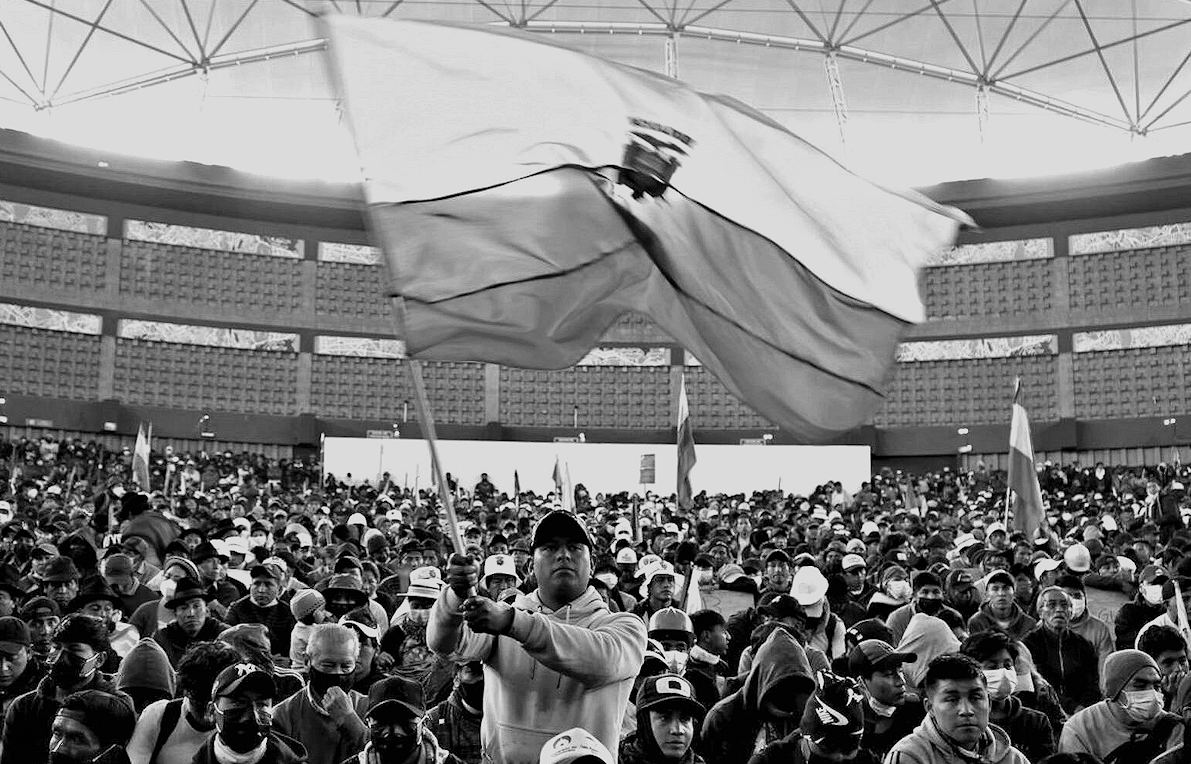
Despite some slow legal progress, Indigenous Ecuadorians continue to face social exclusion and racism.
This impacts their daily lives and interactions as Indigenous people frequently experience discrimination in public spaces, with some even being denied entry to restaurants and facing verbal abuse with commonly used derogatory terms.
Many Indigenous people feel pressure to assimilate into Mestizo or white culture to avoid discrimination.
-
⚠
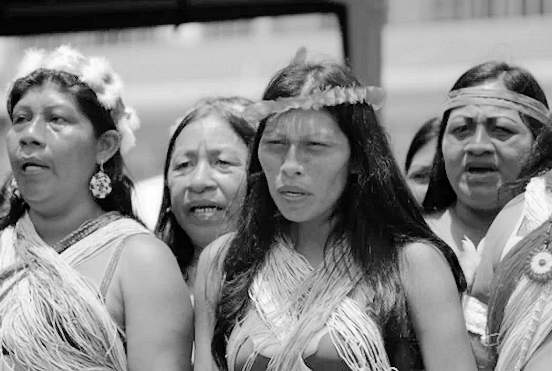
Gender violence is more common against Indigenous women, as economic opportunities for women in Indigenous communities are slim, leaving heavy reliance on men.
67.8% of Indigenous women in Ecuador have suffered from some form of violence: physical, psychological, sexual, in failures to pay alimony, inheritance conflicts, and denial of land access.

“If we are to preserve culture , we must continue to create it .”
— Johan Huizing
MAILING LIST
It all begins with a dream. A seed of inspiration.
A call to action.
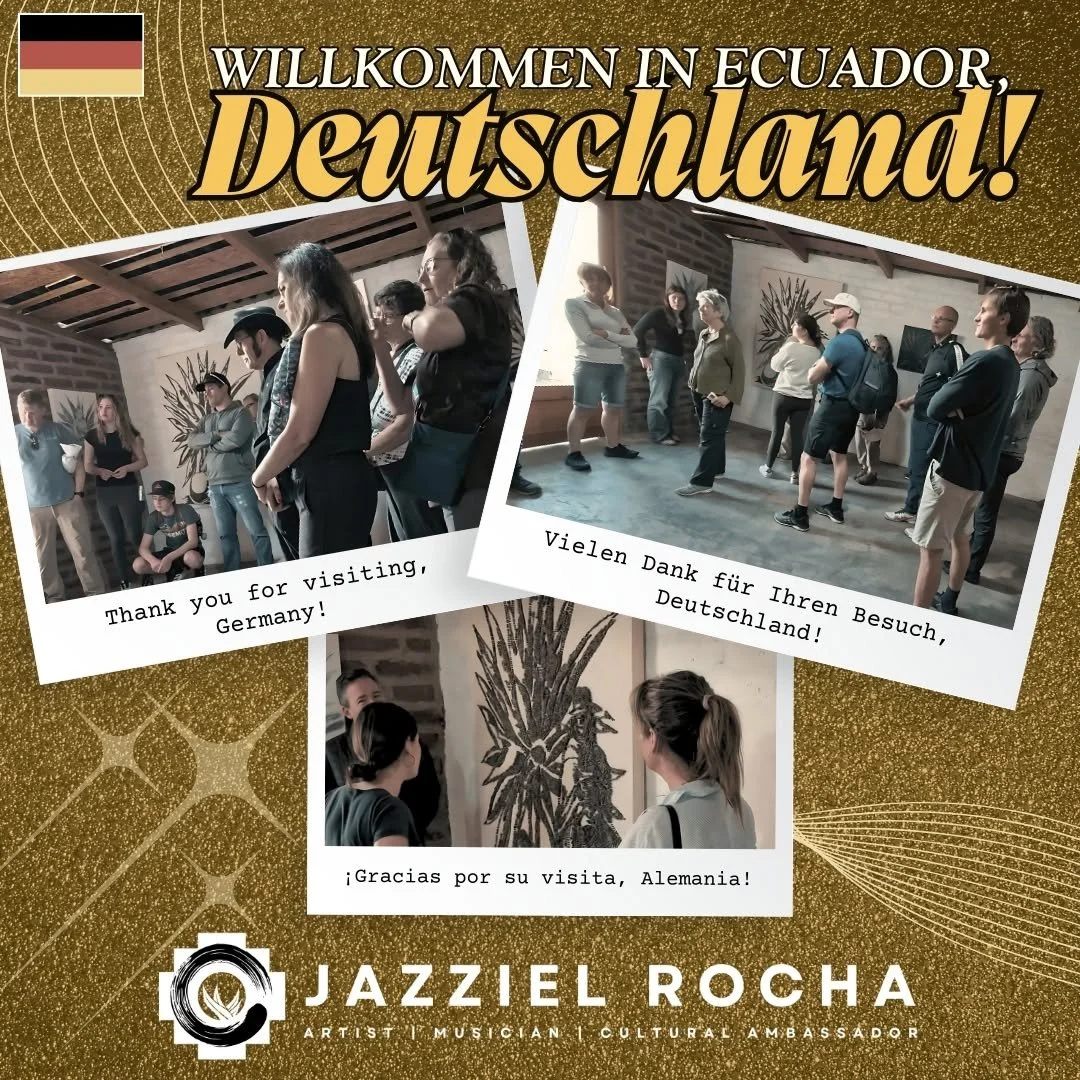
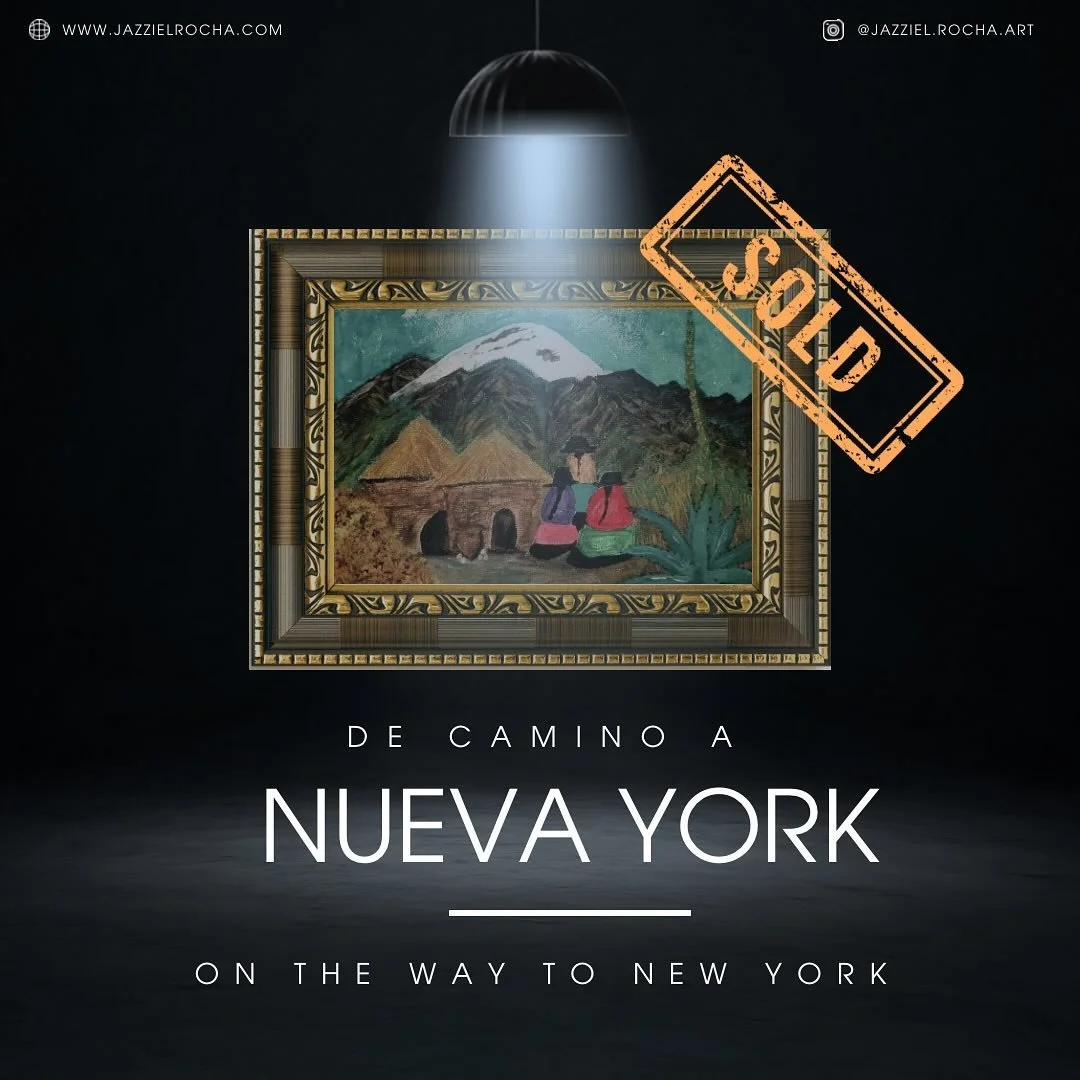
My passion is to preserve Indigenous culture by bridging it with the modern ways of today.
I do this through my art.
— Jazziel Rocha